Biochar
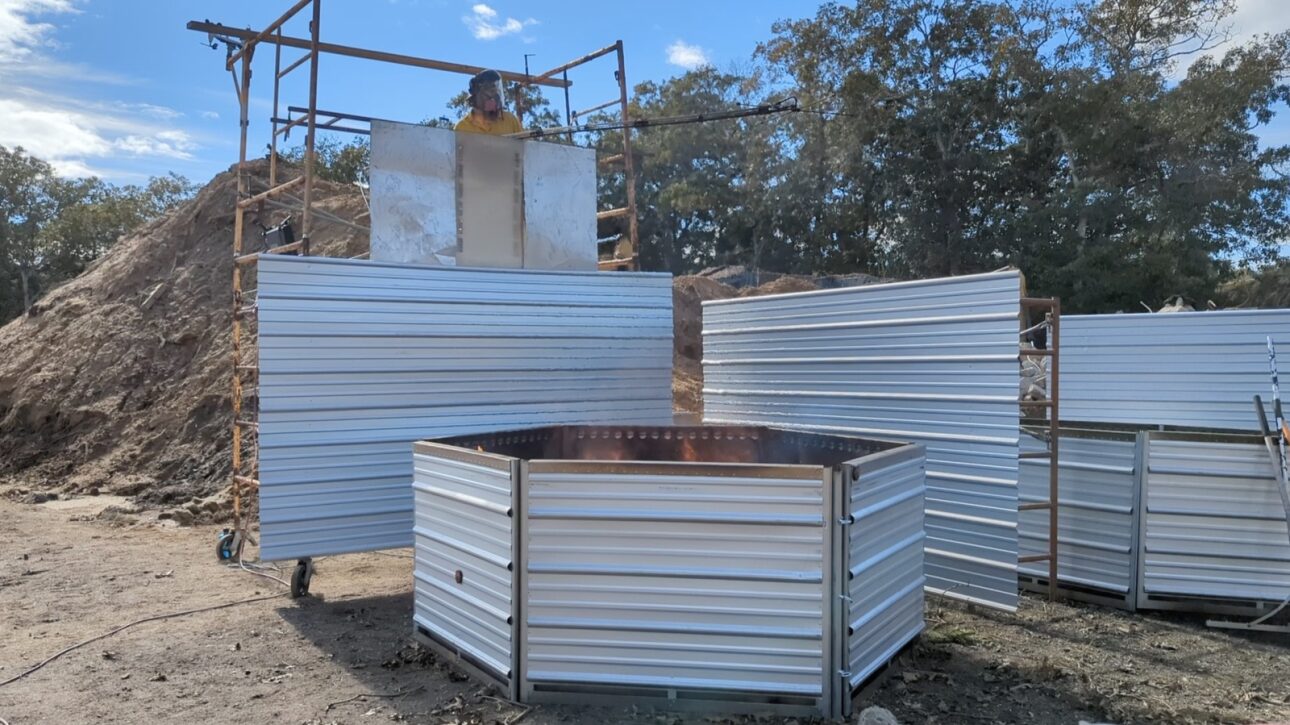
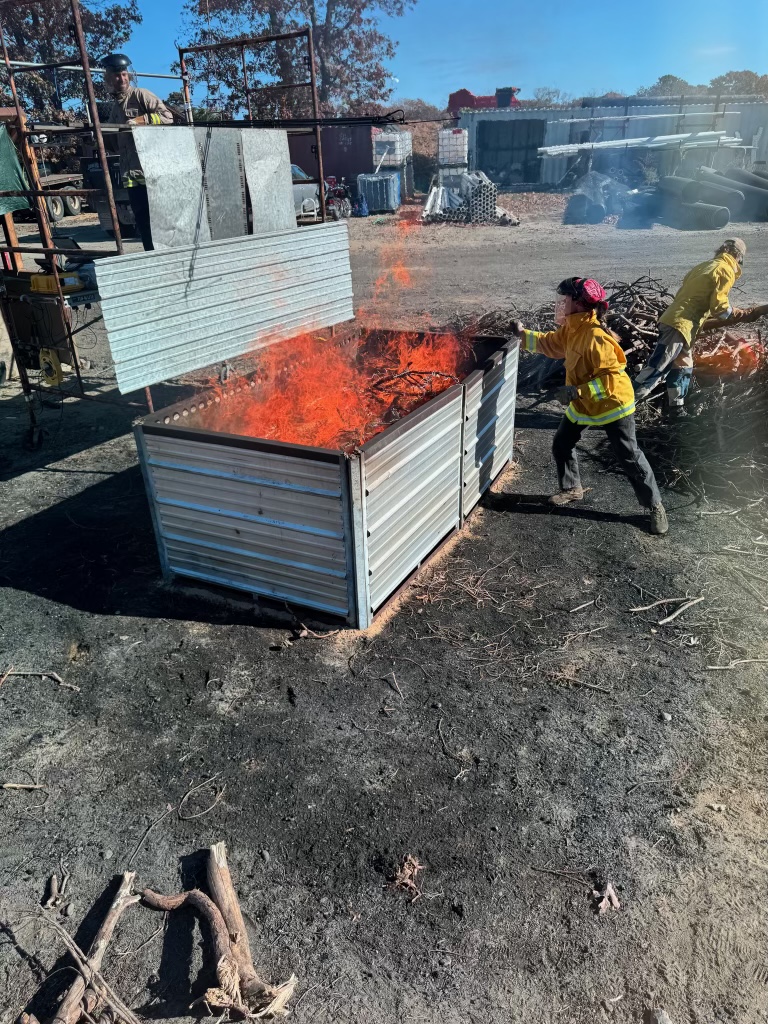
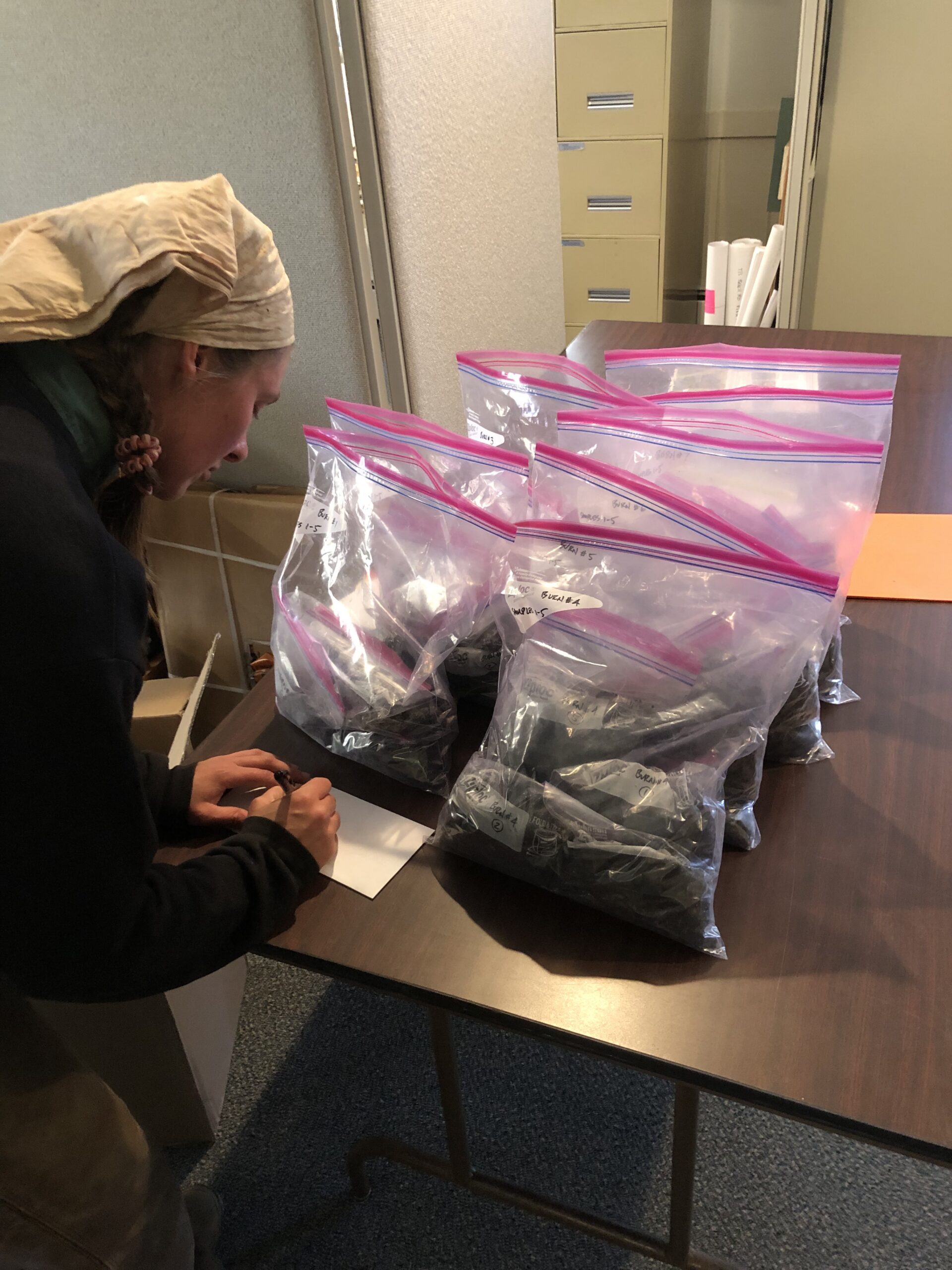
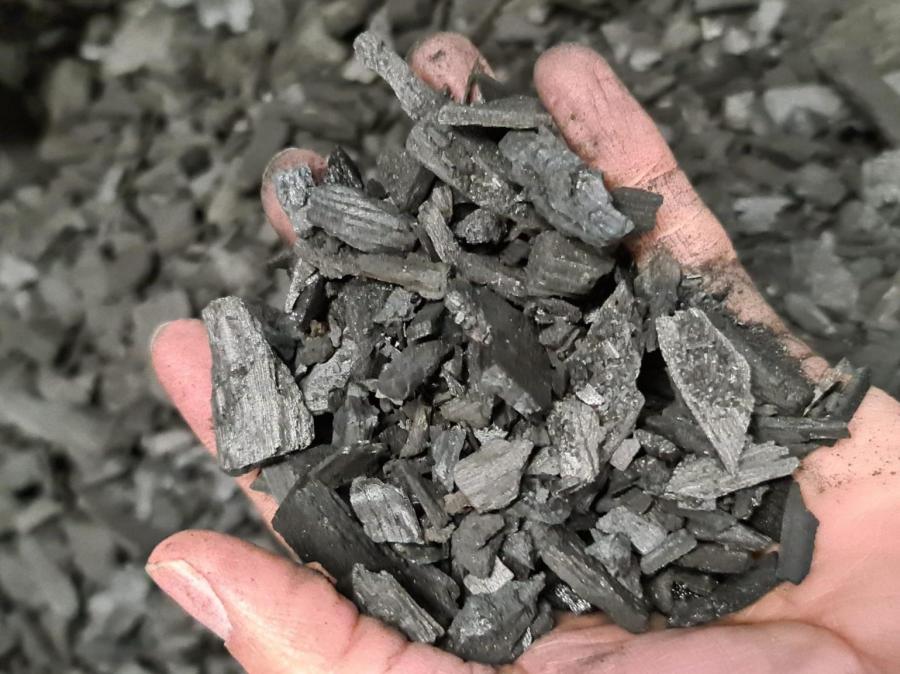
Through an MV Vision Fellowship with the Martha’s Vineyard Commission, Maggie Craig is investigating the benefits of biochar, which is charcoal made by baking wood in a low-oxygen environment.
What is Biochar?
Biochar is a form of carbon-rich charcoal produced from plant materials, and it offers significant environmental benefits. It helps sequester carbon in the soil for hundreds to thousands of years, reducing greenhouse gases in the atmosphere. Additionally, biochar improves soil health by increasing nutrient retention, enhancing water-holding capacity, and supporting beneficial microbial activity.
On Martha’s Vineyard and beyond, Biochar is gaining recognition as a sustainable solution with wide-reaching environmental benefits.
The Benefits of Biochar
Created by heating wood in a low-oxygen environment, this carbon-rich material supports both ecological health and climate action. Here’s what makes biochar so promising:
🌱 Improves soil health – Enhances nutrient retention and boosts farm productivity
🔥 Reduces wildfire risk – Turns wood waste into a valuable resource
🌊 Protects water quality – Helps reduce nitrogen runoff into coastal ponds
🌍 Sequesters carbon – Locks away carbon for hundreds to thousands of years
By enriching soil, reducing waste, and supporting healthy forests and farms, biochar is an exciting, natural strategy for building long-term environmental resilience.
Biochar Projects on Martha's Vineyard
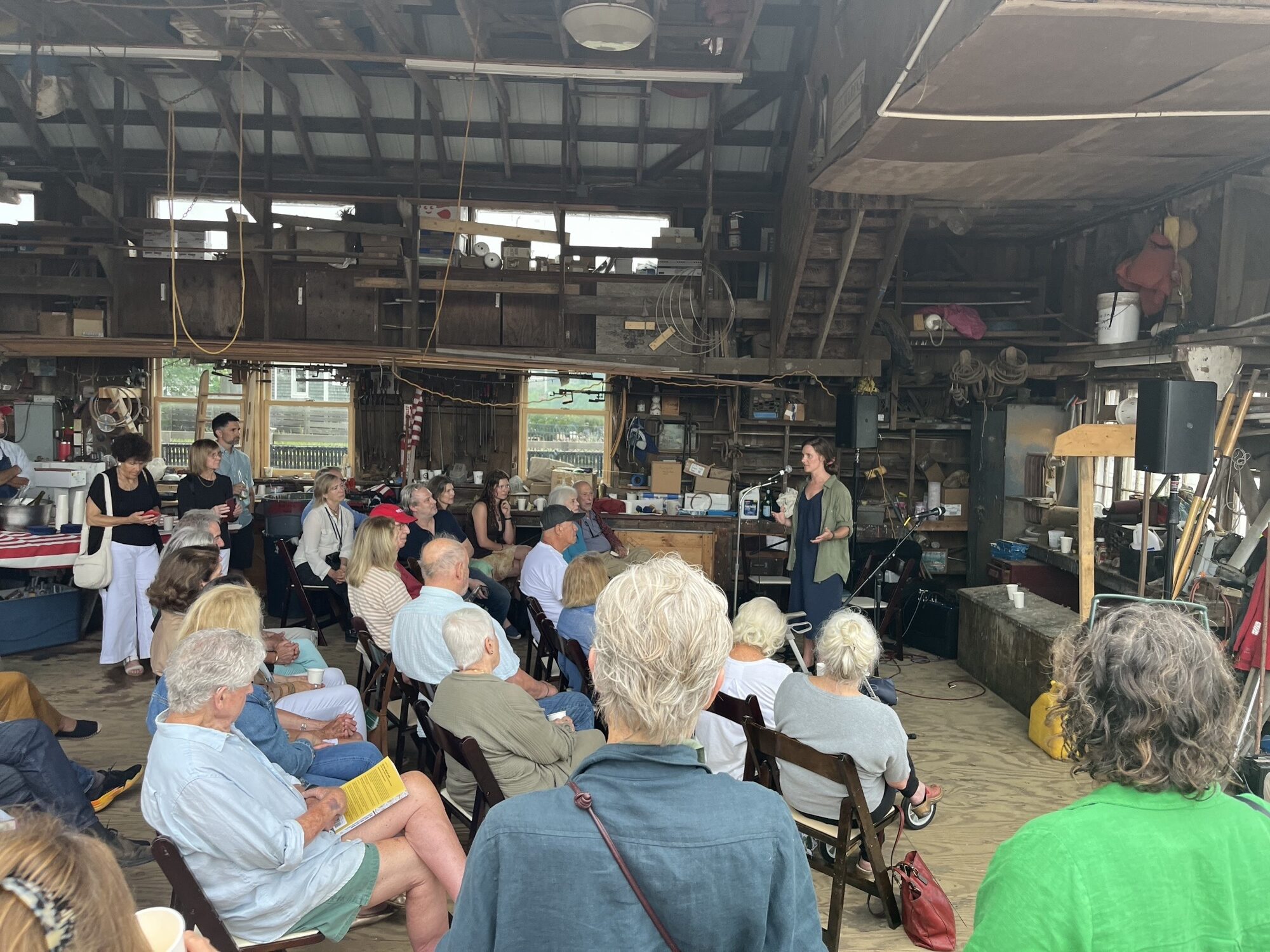
Through an MV Vision Fellowship with the Martha’s Vineyard Commission, Maggie Craig is investigating the benefits of biochar through various pilot projects and collaborative efforts.
Prescribed fire at Long Point
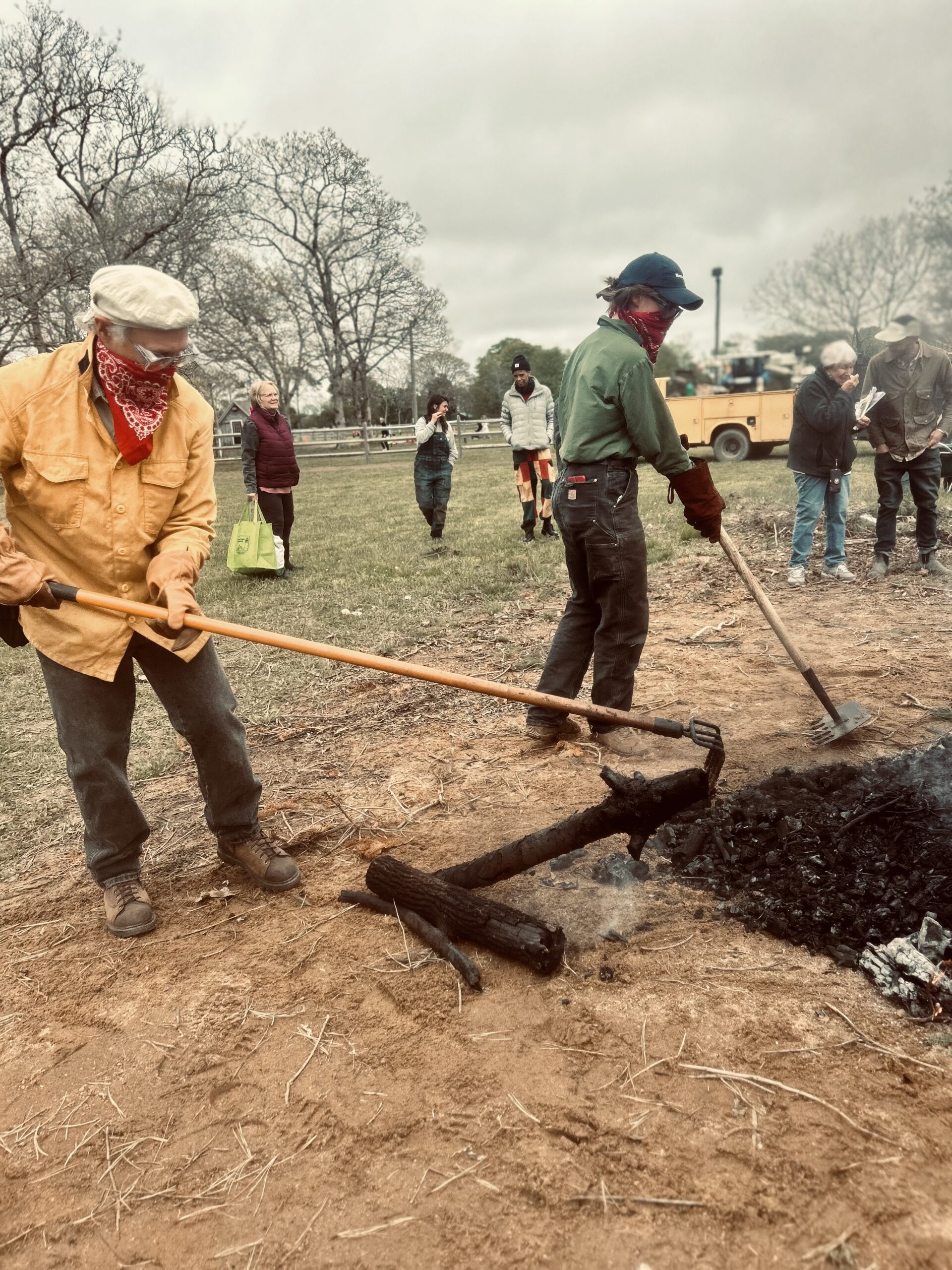
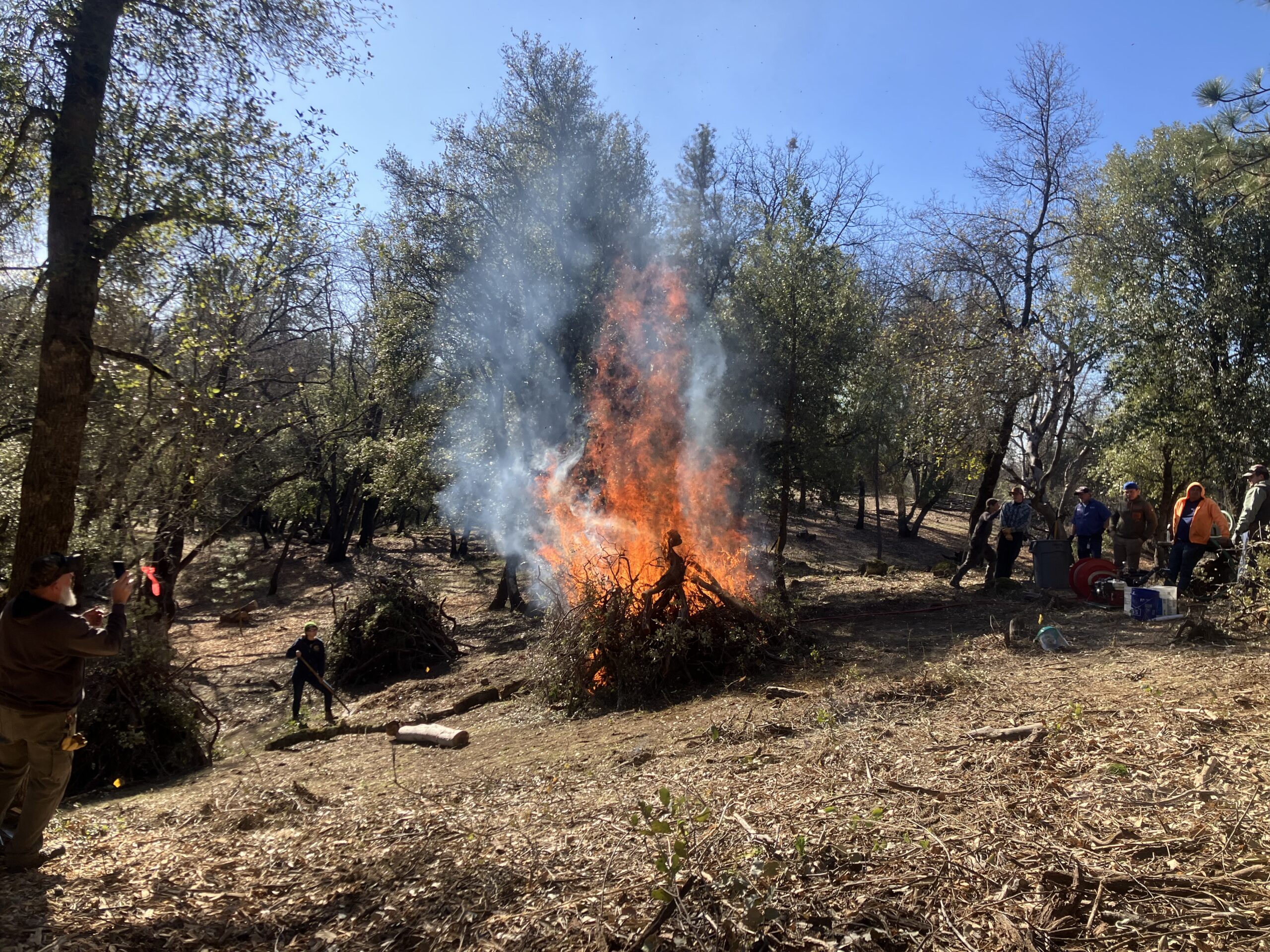
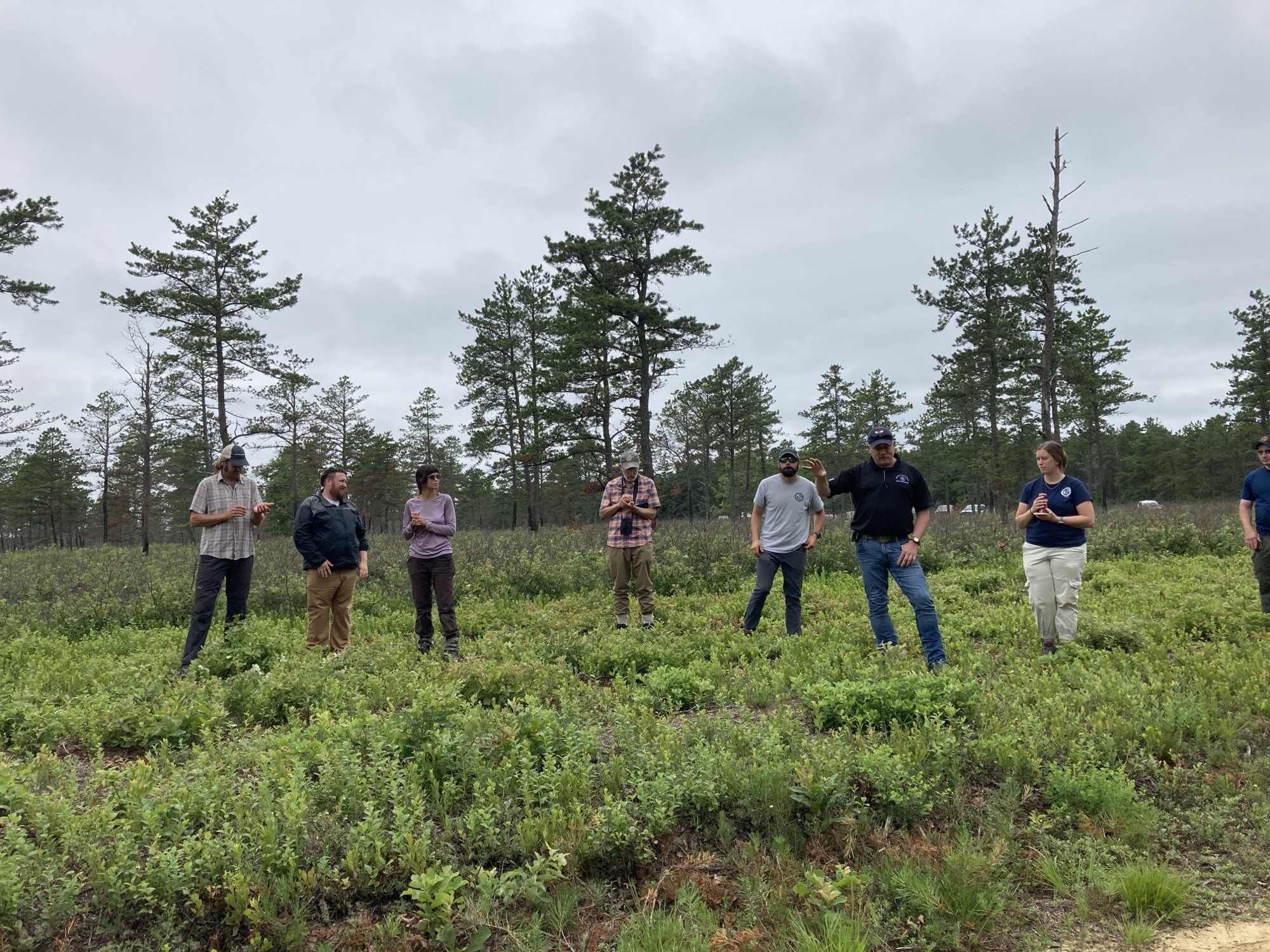
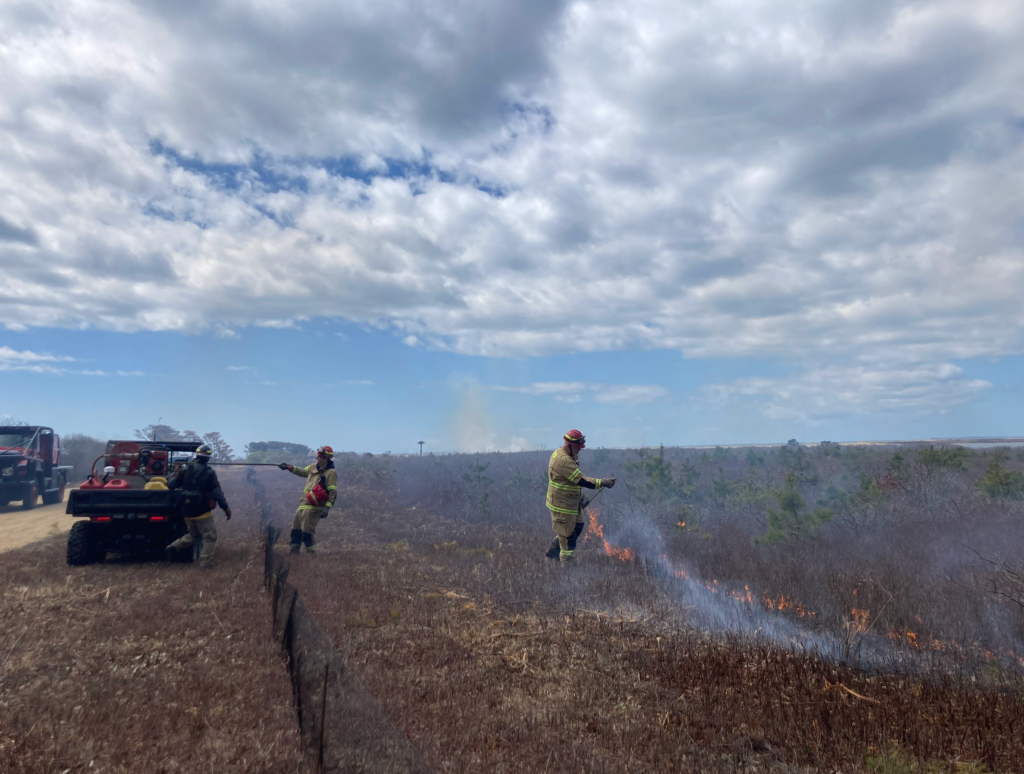
In April 2026, Maggie joined The Trustees of Reservation and The Nature Conservancy for a controlled burn at Long Point Wildlife Refuge in Edgartown, led by Star Tree Wildfire Protection. This practice reduces fuel loads and supports sandplain grasslands and woodlands, globally rare ecosystems where many fire-adapted species live. This was the last step for Maggie to complete her S-130 certification, a federal requirement for entry-level wildland firefighters.
One goal of low-intensity burning is to spread the blackened earth – a layer of carbon-rich ash and charred plant material, which warms and fertilizes the soil, jumpstarting new seed germination and vigorous plant growth, which is especially important for fire-adapted plants.
construction waste burn
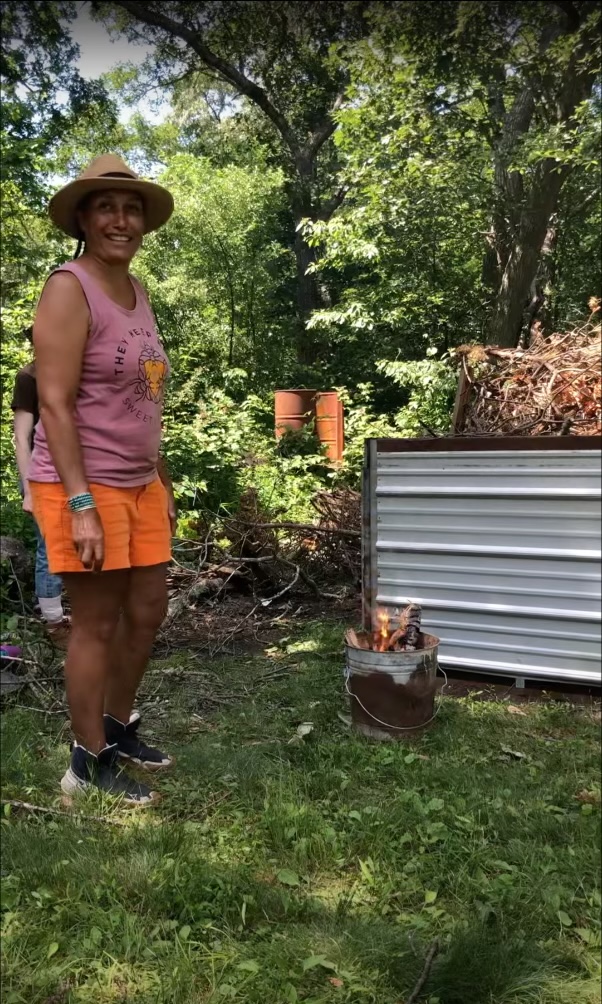
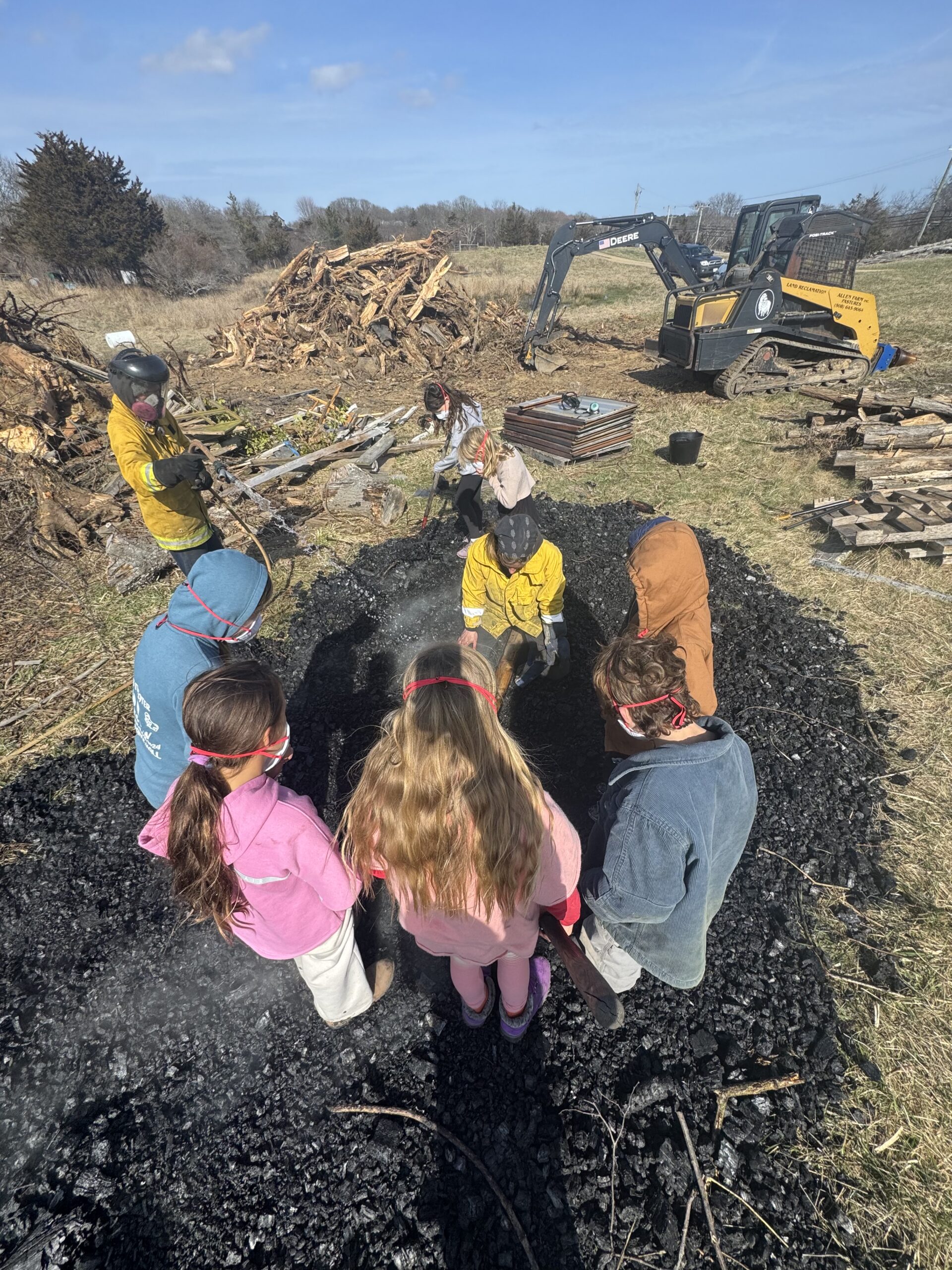
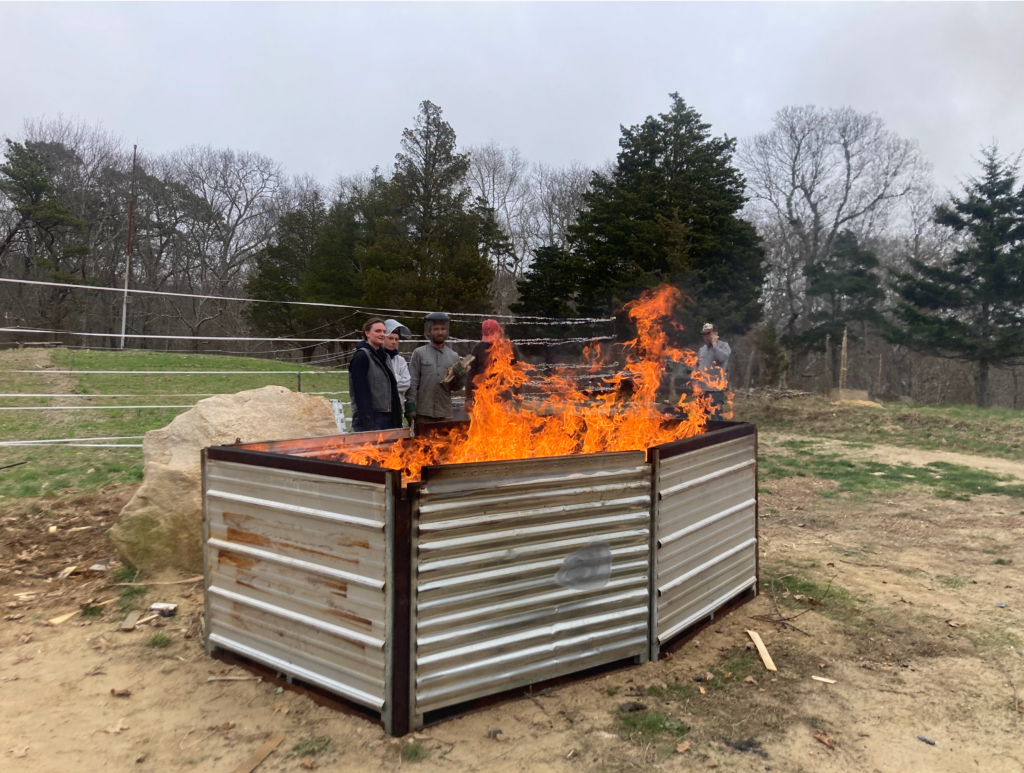
In March 2026, Maggie facilitated a community burn of construction waste at the house of Carter Payne, a mill operator in West Tisbury. Untreated construction waste, like 2×4 cut-offs, can make a lot of biochar. No wonder this is ideal material for a woodstove! This burn yielded about two cubic yards of biochar – one of the highest yields Maggie has had in a flame-cap kiln yet.
Biochar innovators are working on kilns that let people harness the heat from making biochar to heat homes and water. Have your cake and eat it too? Cool!
Morning Glory Farm / Sheriff’s Meadow Froundation
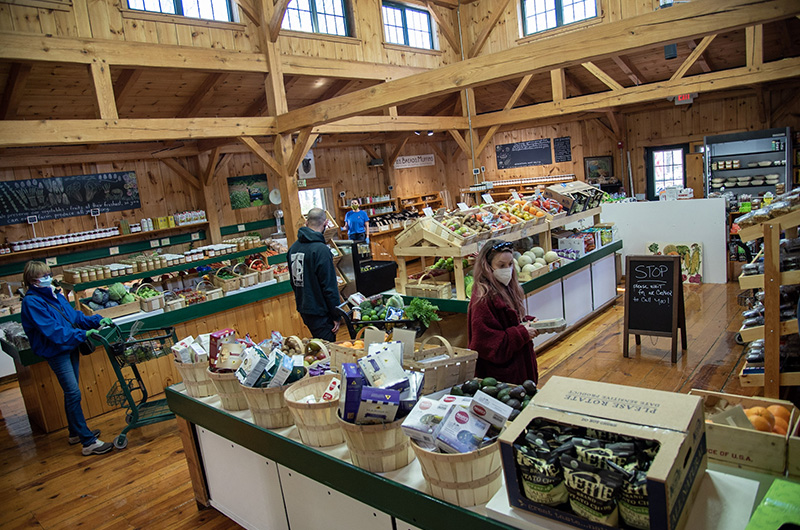
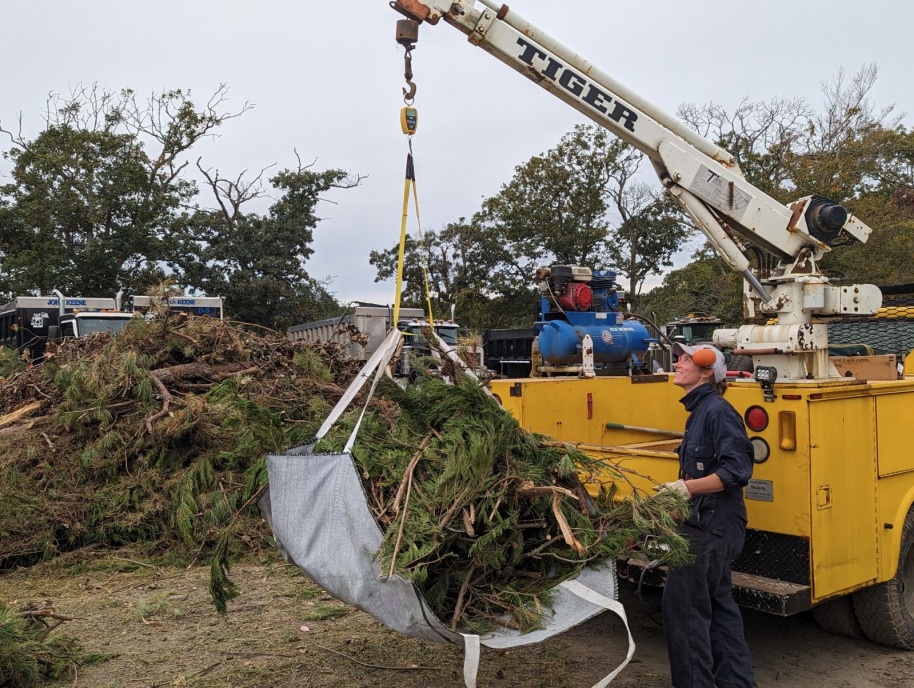
Sheriff’s Meadow Foundation helped clear one acre of pitch pine for Morning Glory Farm to expand composting to their Reynolds Property. Maggie will convert the material less than 5” in diameter into biochar on-site, recording the work hours and amount of biochar produced, for the farm to incorporate into composting.
Biochar Farm Demonstrations
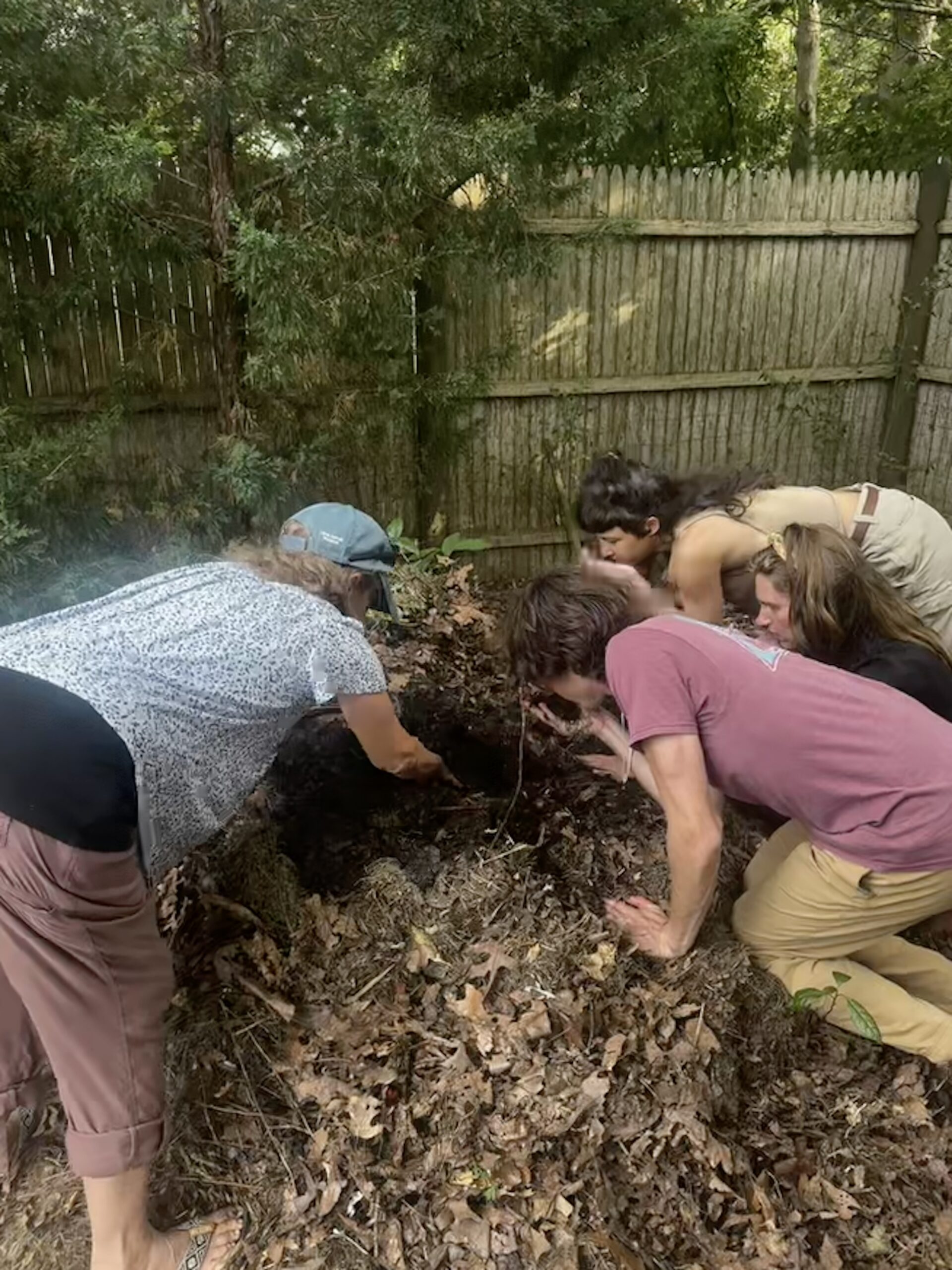
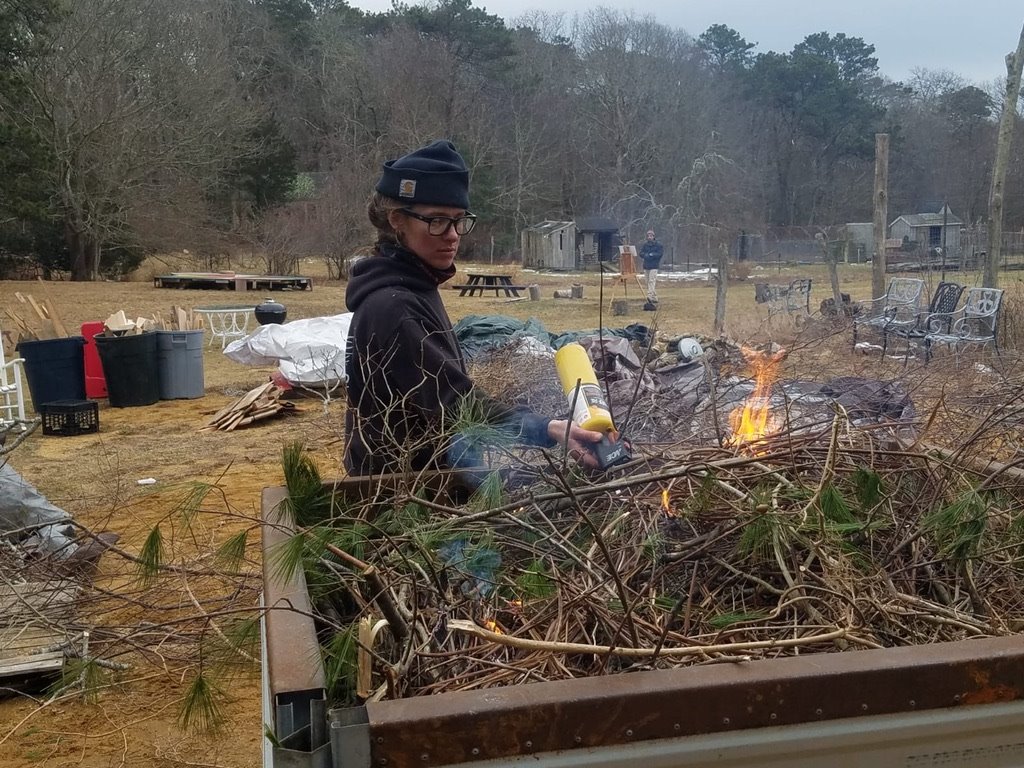
Through support from the Massachusetts Healthy Soils Initiative, Maggie visit farms across the Island to help convert their existing brush piles into usable biochar. This biochar is then incorporated back into farm systems as a compost amendment, soil enhancer, or even animal bedding, helping improve water retention, nutrient cycling, and long-term carbon storage.
To date, demonstrations have taken place at Allen Farm and Mermaid Farm, with additional sessions planned at Whippoorwill Farm, Tea Lane Nursery, Milkweed Farm, and Marshall Woodworks. Funding for this work flows through the Healthy Soils Fund to the Martha’s Vineyard Commission, ensuring these on-farm projects are supported at no cost to participating growers.
water remediation at tashmoo springs pond
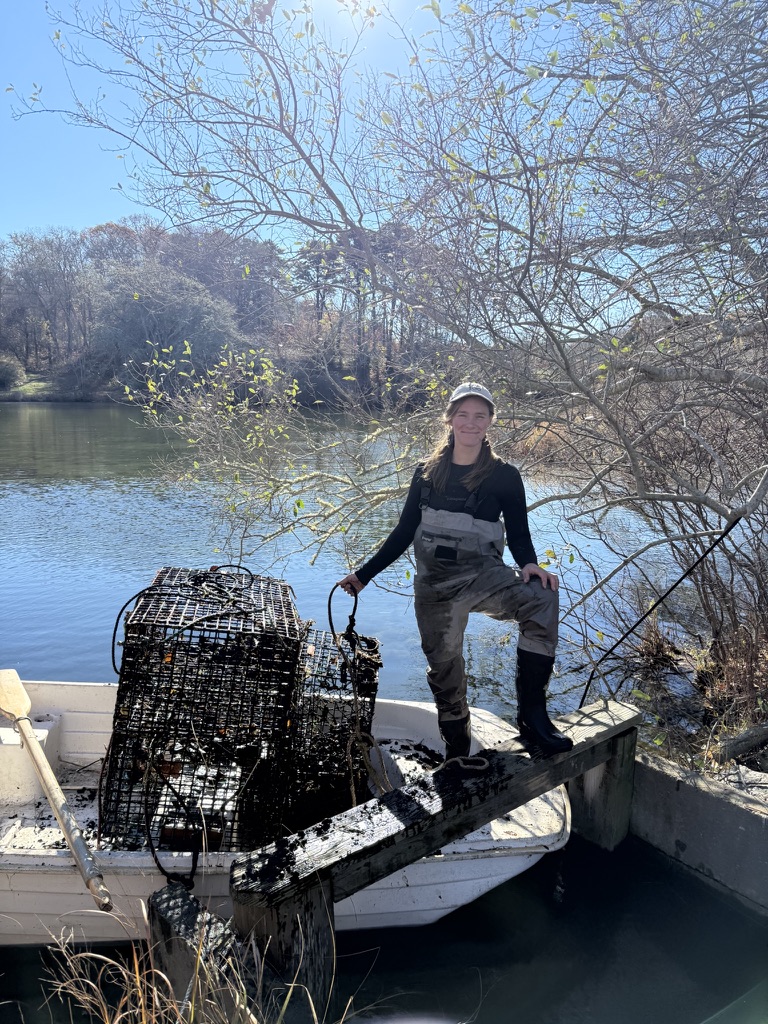
There’s an ongoing project at Tashmoo Springs Pond, using biochar kept in lobster traps as a tool to aid in water remediation efforts. This project is investigating how biochar shows promise in removing heavy metals from contaminated water without any stirring, agitation, or forced filtration.
Biochar’s porous structure traps contaminants like a sponge. Biochar excels in water remediation by adsorbing and degrading various pollutants like heavy metals (lead, mercury), organic compounds (PAHs, PFAS, dyes), and nutrients (nitrogen, phosphorus) due to its large surface area and other properties.