Waste on MV
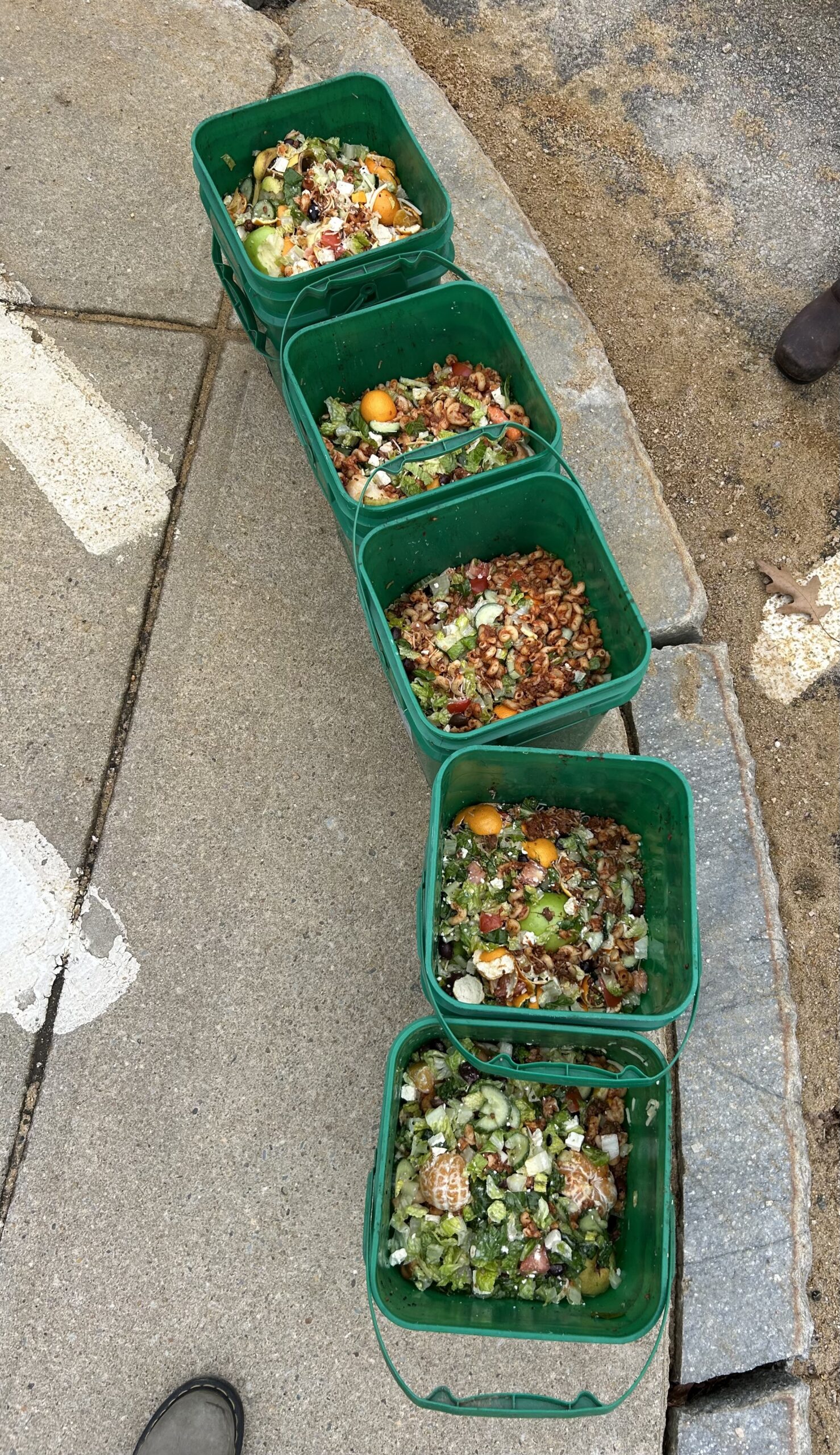
Martha’s Vineyard has long worked to manage waste responsibly, but food waste remains one of the Island’s most pressing and solvable challenges. Food scraps make up a significant portion of what we throw away—and on an Island, every ton matters.
Food Waste as a Climate & Community Opportunity
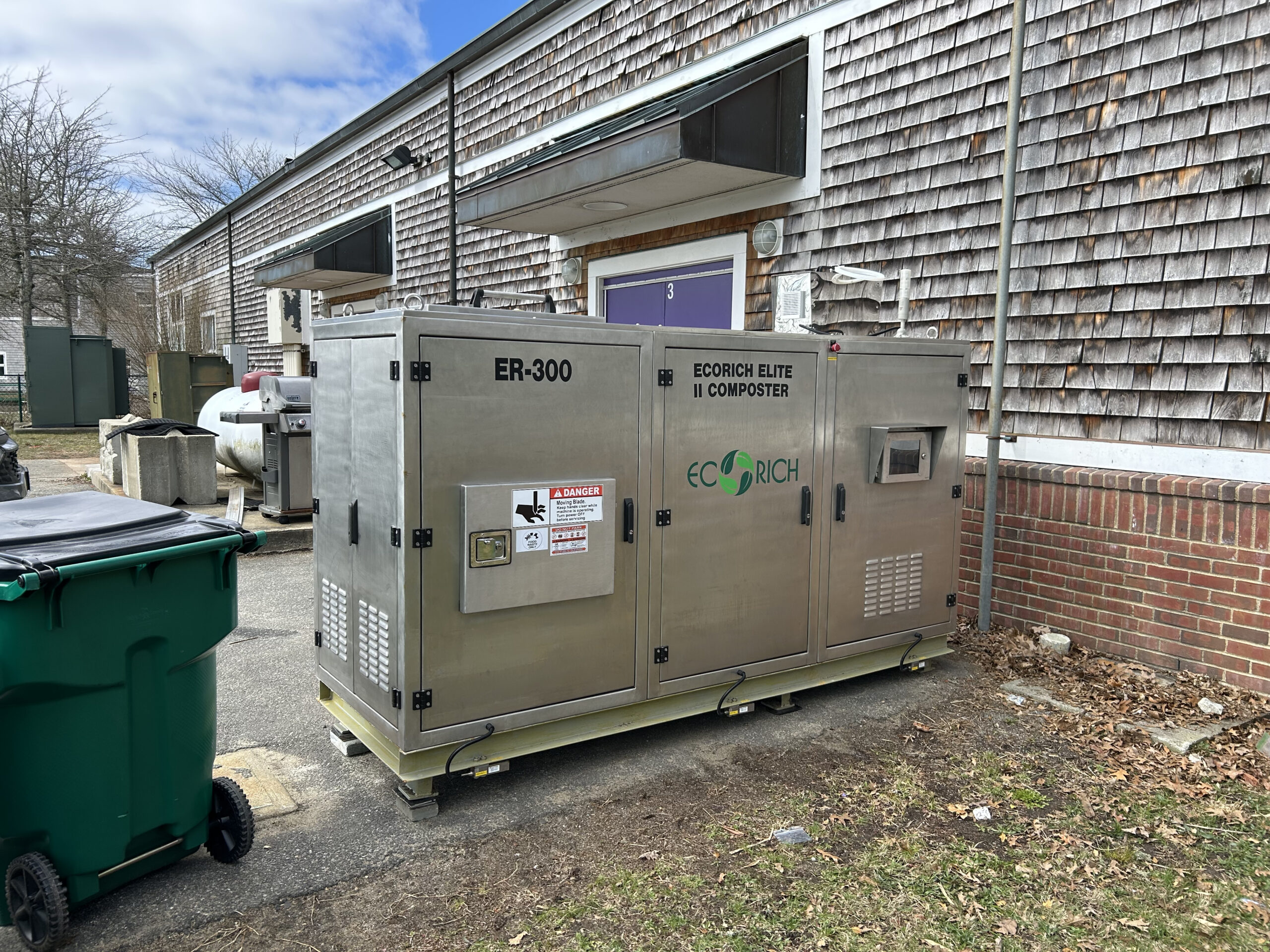
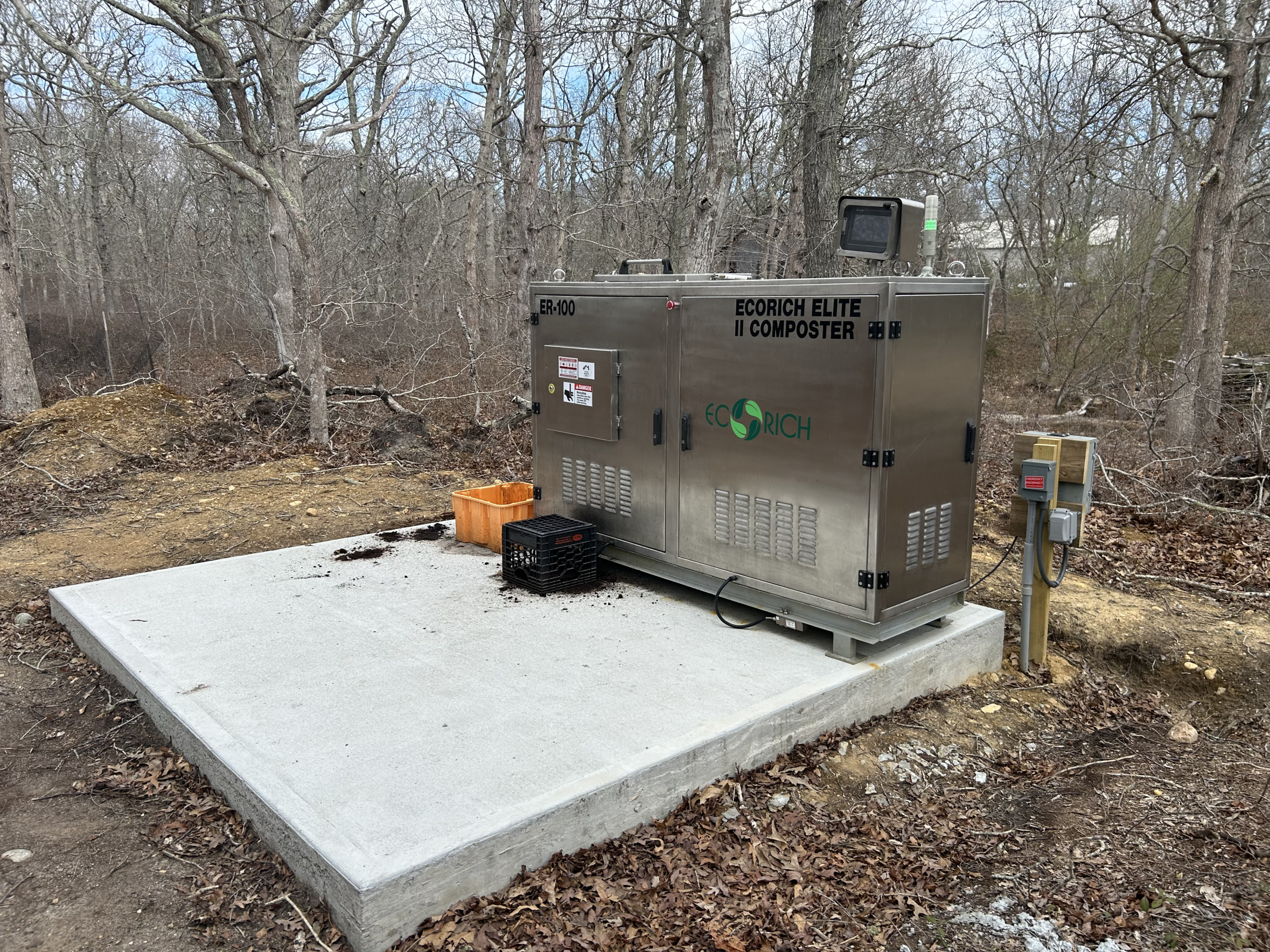
An estimated 6,500 tons of food waste are generated on the Island each year, roughly one-third from commercial sources and two-thirds from households. While pilot programs have shown strong community participation and demand for local compost, the Island currently lacks a permanent facility to process food scraps.
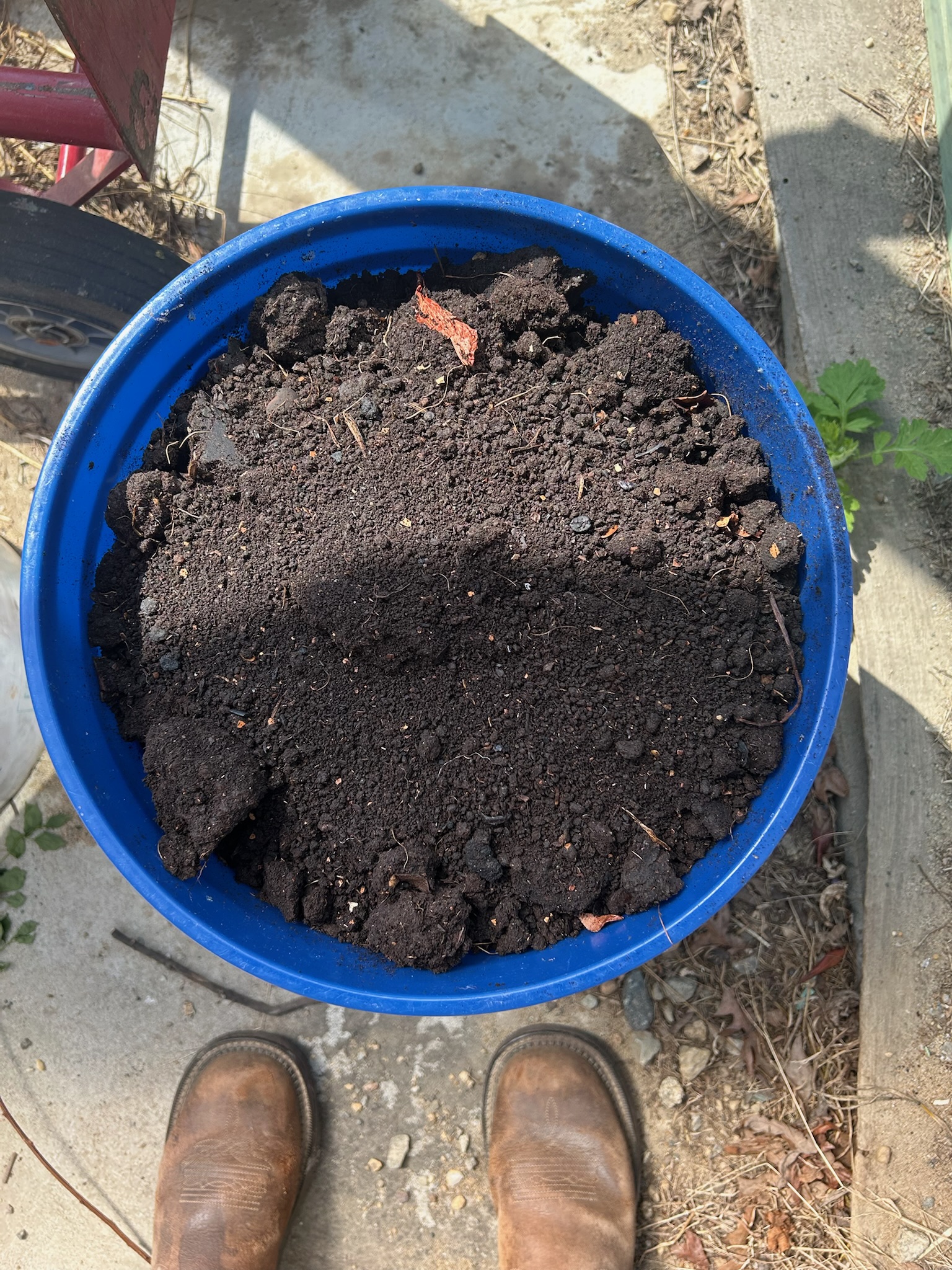
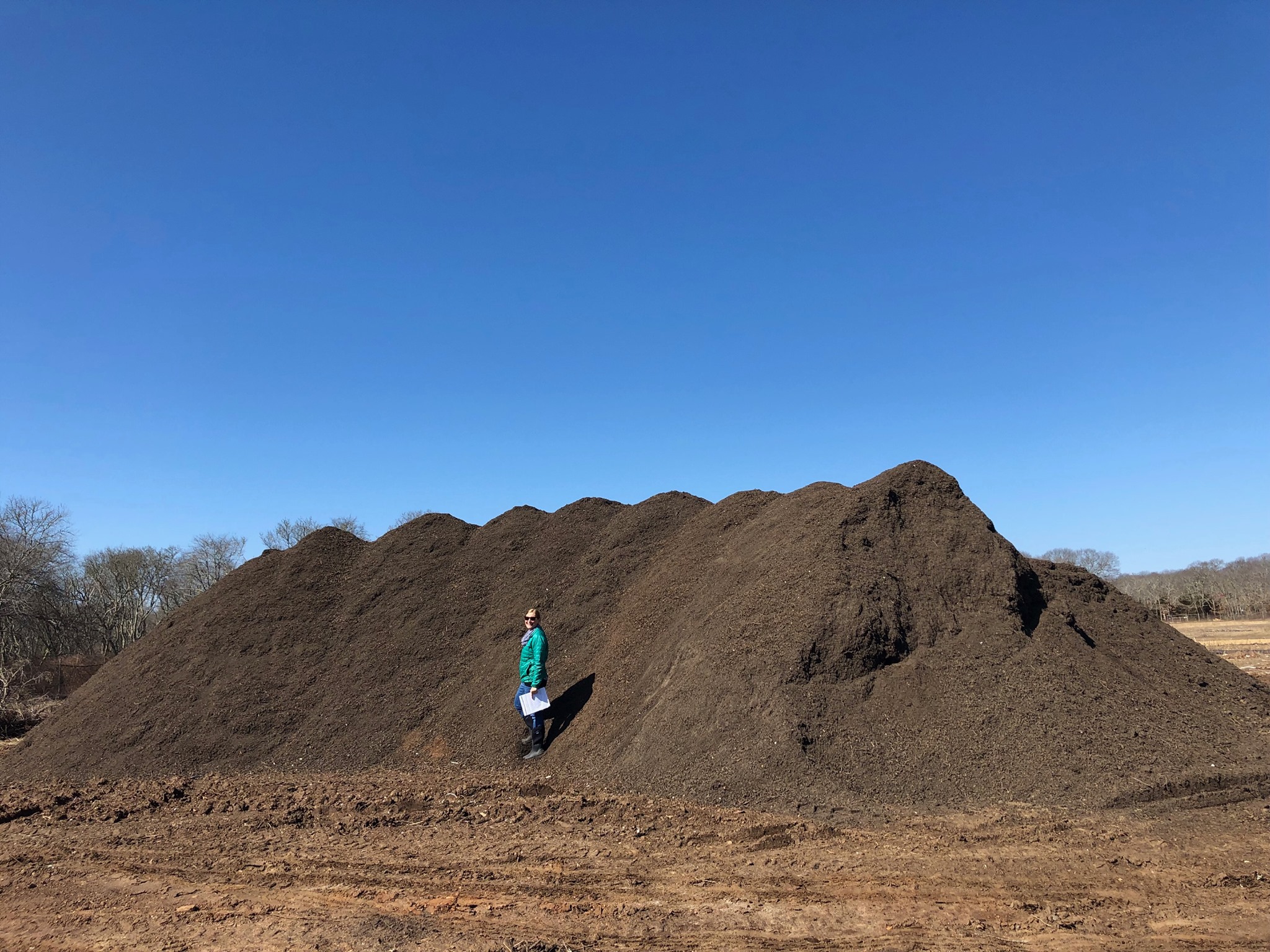
This gap matters—because food waste is heavy, costly to ship, and a missed opportunity to create local, high-quality compost that supports Island agriculture and reduces reliance on off-Island inputs.
Food Waste Resources
The State of Food Waste on MV
Martha’s Vineyard has long worked to manage waste responsibly, but food waste remains one of the Island’s most pressing and solvable challenges. Food scraps make up a significant portion of what we throw away—and on an Island, every ton matters.
Separation works—but infrastructure is missing
Massachusetts food waste bans are expanding
Local compost is in high demand
Scale matters on an Island
Heavy, Costly, and Hard to Move
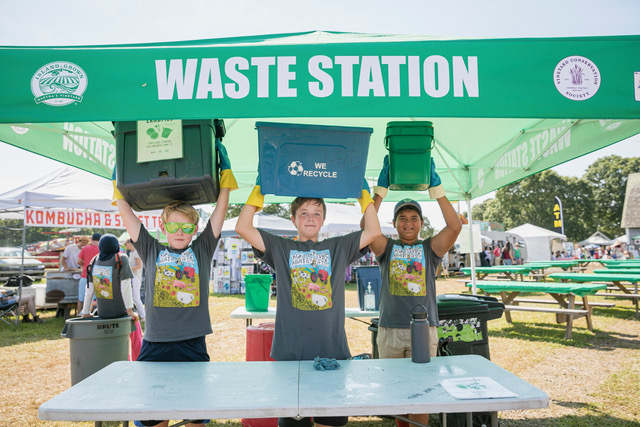
What You Can Do Right Now
Even without a permanent Island-wide food waste facility, individual actions still matter. Here’s how residents can meaningfully reduce food waste today—and help build momentum for future solutions.