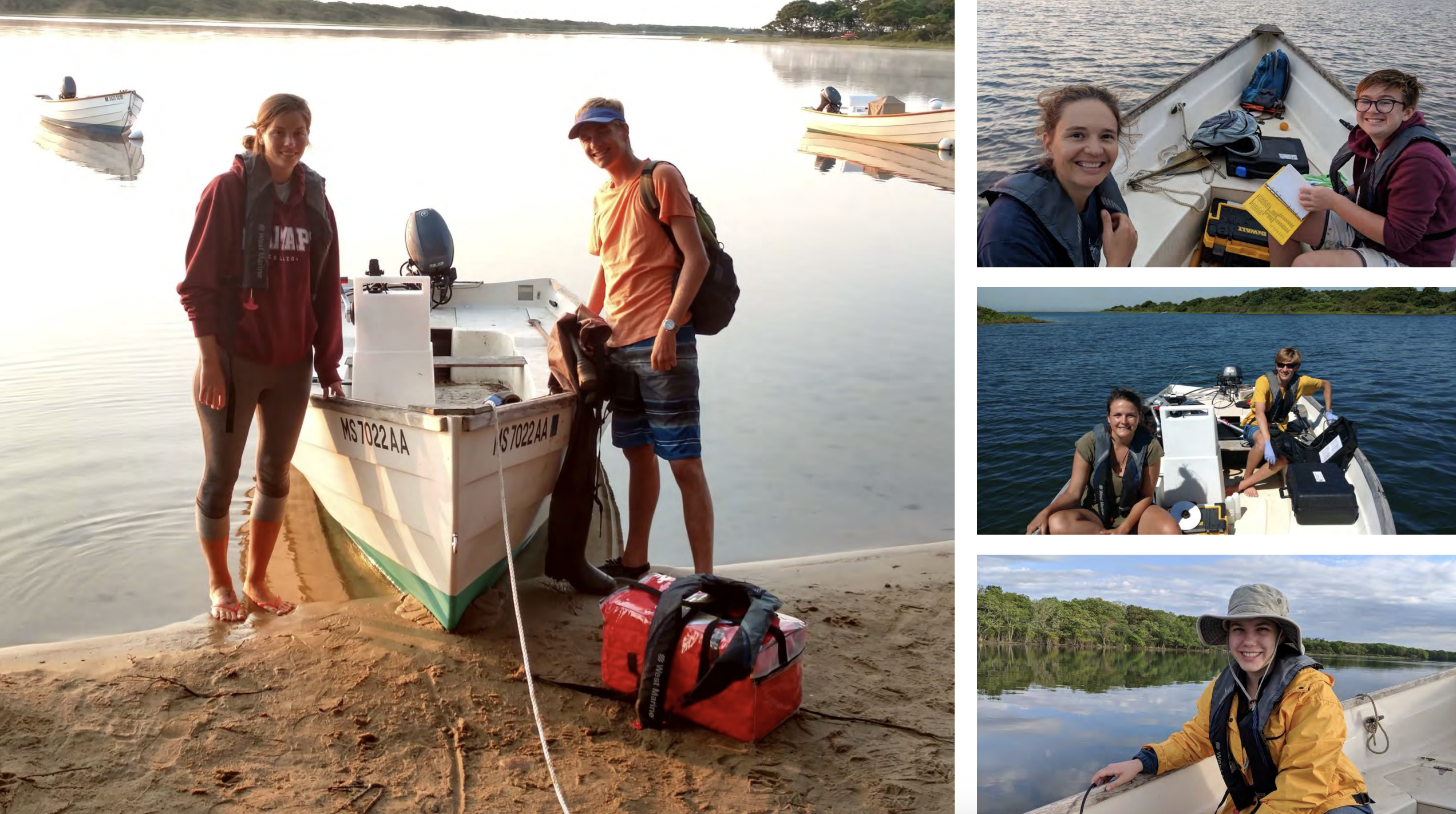
On March 14, the Oak Bluffs Public Library hosted a packed community discussion on the health of Martha’s Vineyard’s coastal ponds. Emily Reddington, Executive Director of the Great Pond Foundation, led an eye-opening conversation about the challenges our ponds are facing, and the real, actionable steps we can take together.
The Canaries in Our Midst
Island ponds are globally rare ecosystems, and they are telling us something important. Rising water temperatures, more frequent storm events, and decades of nitrogen loading from septic systems, fertilizers, and runoff have pushed ponds like Edgartown Great Pond and Chilmark Pond to a tipping point. Algal blooms, declining eelgrass beds, and stressed shellfish habitat are visible signs of that strain.
The data is striking: research from the Great Pond Foundation shows that wastewater from septic systems accounts for roughly 60% of the nitrogen entering Edgartown Great Pond. The good news is that these are sources we can actually do something about.
Reasons to Be Optimistic
The pond at Chilmark showed scattered eelgrass returning in 2025 after more than two years of absence. Restoration tools like sonic buoys are being tested to reduce harmful cyanobacteria blooms. Monitoring partnerships with the Woods Hole Oceanographic Institution and the Marine Biological Laboratory are strengthening our understanding year over year. Scientists and community members are paying close attention, and it is making a difference.
What You Can Do
Individual actions add up quickly:
- Skip the fertilizer, or switch to nitrogen-free alternatives. The Great Pond Foundation’s “Forgo Fertilizer, Protect Ponds” campaign is a great starting point.
- Get your septic system inspected and pumped regularly. Consider upgrading to a nitrogen-reducing system if you are near a watershed.
- Plant native vegetation and shrubs to create a natural buffer that filters runoff before it reaches the water.
- Leave native habitat intact wherever possible. Trees, shrubs, and groundcover filter nitrogen, store carbon, and protect biodiversity all at once.
Engage in the Conversation
Island towns are also working on land use bylaw updates designed to reduce clearcutting, manage erosion, and protect native vegetation. Oak Bluffs will be voting on a proposed bylaw at its Annual Town Meeting on April 14, 2026, with similar proposals coming to other island towns. Attending your town’s Planning Board, Conservation Commission, and Select Board meetings is one of the most direct ways to make your voice heard.
Our ponds have been here far longer than any of us, and with the right attention they will be here long after. The work being done by scientists, community organizations, and engaged residents across this island is proof that we are not standing still.